
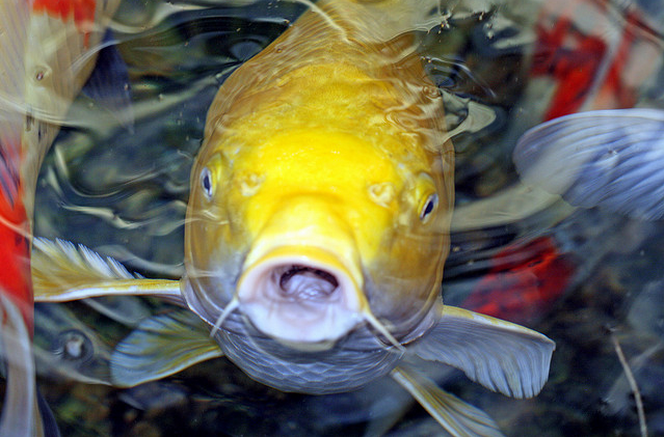
Overfeeding Koi: Why Too Much Food Harms Your Pond
Understanding overfeeding koi is essential for maintaining a healthy pond and strong fish. Many pond owners believe feeding more food helps koi grow faster, but overfeeding koi often causes serious health and water quality problems. Excess food quickly pollutes pond water, stresses fish, and increases the risk of disease. Learning how to feed koi correctly protects both your fish and your pond ecosystem.
What Happens When You Overfeed Koi
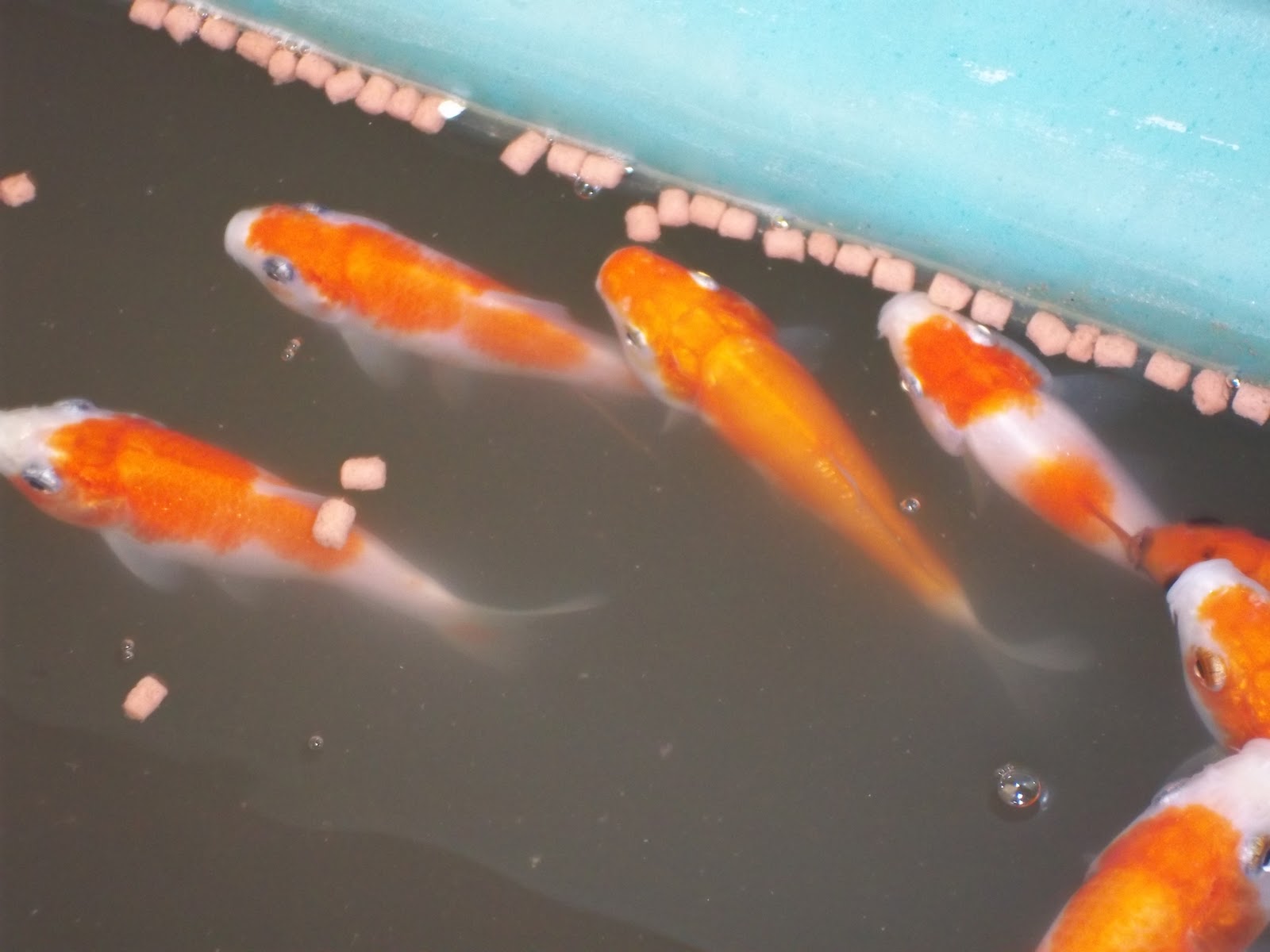
When pond owners practice overfeeding koi, uneaten food sinks to the bottom and begins to decay. This process releases ammonia and other harmful toxins into the water. High ammonia levels irritate koi gills, reduce oxygen uptake, and weaken the immune system. Overfeeding also overwhelms filtration systems, leading to cloudy water, foul odors, and algae blooms.
Koi that eat too much can develop digestive issues, fatty deposits around organs, and swim bladder problems. Instead of growing stronger, koi become sluggish and more vulnerable to parasites and bacterial infections. Poor feeding habits also disrupt the balance between beneficial bacteria and waste production in the pond.
Signs You Are Overfeeding Koi
Clear warning signs help identify overfeeding early. If food remains visible after five minutes, you are feeding too much. Cloudy water, increased string algae, and rising ammonia readings often indicate excessive feeding. Koi may appear bloated, swim awkwardly, or lose interest in food after overeating.
In colder seasons, overfeeding becomes even more dangerous. Koi metabolism slows in cool water, and uneaten food decomposes faster than fish can digest it. Feeding high-protein food during winter increases stress and digestive strain.
How to Prevent Overfeeding Koi
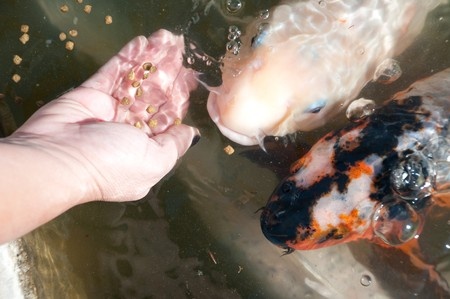 Preventing overfeeding koi requires consistency and observation. Feed small portions that koi can finish quickly, once or twice daily in warm weather. Adjust feeding based on water temperature and fish activity. Use high-quality koi food that matches the season, such as growth food in summer and wheatgerm in cooler months.
Regular water testing and filter maintenance support healthy feeding routines. Removing leftover food immediately and keeping feeding schedules predictable reduces waste and stress.
By avoiding overfeeding koi and following proper feeding practices, you create a clean pond, healthy fish, and a balanced aquatic environment that thrives year-round.