
Koi Fish Stress: What Causes It and How to Spot the Warning Signs
 Understanding koi fish stress is essential for keeping your pond healthy and your fish thriving. Koi experience stress when their environment changes suddenly or when water quality declines. Stress weakens their immune system, slows growth, and makes them more vulnerable to disease. By learning what causes stress and what to look for, you can act quickly and protect your koi before serious problems develop.
Koi Fish Stress: Common Causes in Pond Environments
Several factors trigger koi fish stress, and most relate directly to pond conditions. Poor water quality ranks as the most common cause. High ammonia, nitrite, or low oxygen levels place immediate strain on koi. Sudden temperature changes, especially during seasonal transitions, also stress koi because they struggle to adapt quickly.
Overcrowding creates competition for oxygen and food, which increases aggression and stress. Loud noises, vibrations, frequent handling, or predator activity can also disturb koi. Introducing new fish without quarantine often brings parasites or bacteria into the pond, causing stress even before visible illness appears.
Signs That Your Koi Are Stressed
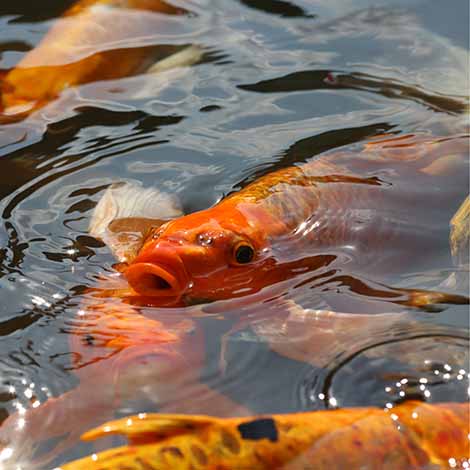
Stressed koi show both physical and behavioral warning signs. You may notice koi gasping at the surface, clamping their fins, or isolating themselves from the group. Flashing, where koi rub against pond surfaces, often indicates irritation or parasites. Loss of appetite, sluggish swimming, or erratic movement can also signal stress.
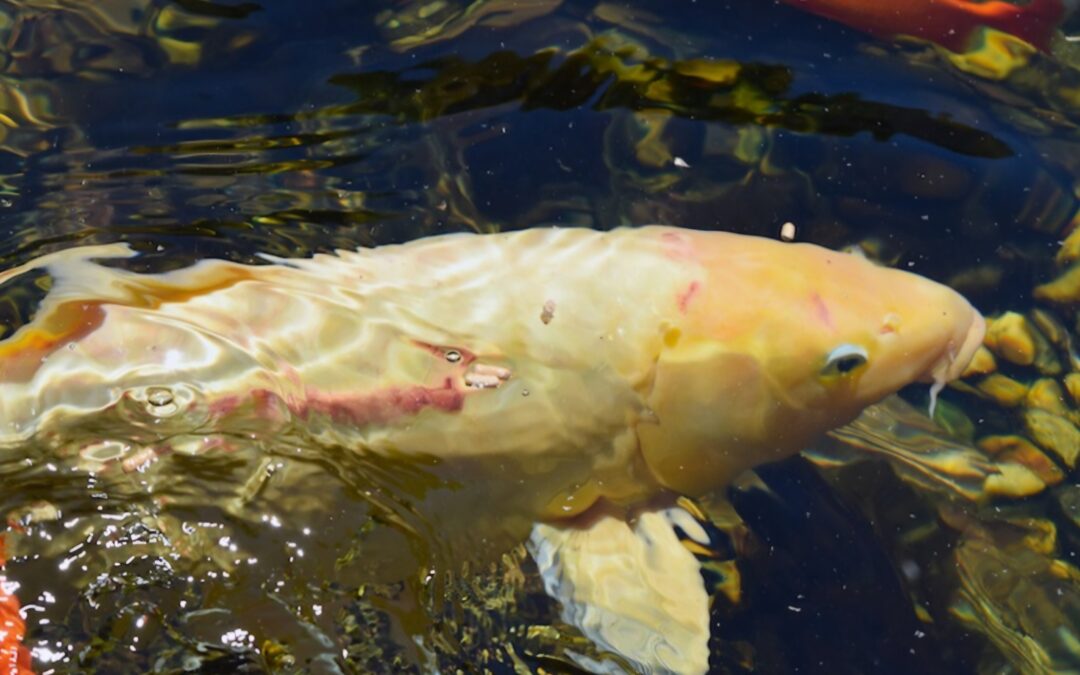
Physical changes include faded colors, red streaks in fins, ulcers, or excessive slime coat production. These symptoms often appear after stress weakens the koi’s immune system. Early detection allows you to correct the cause before disease takes hold.
Tips and Tricks to Reduce Koi Fish Stress

Reducing koi fish stress starts with maintaining stable water quality. Test your pond water regularly and perform partial water changes when needed. Ensure your filtration system matches your pond size and koi population. Provide adequate aeration to keep oxygen levels high, especially during hot weather.
Avoid overfeeding and remove uneaten food promptly. Quarantine new fish for at least two weeks before adding them to the main pond. Add hiding areas or plant cover to help koi feel secure and reduce predator stress.
Keep pond maintenance consistent rather than making sudden changes. Gradual adjustments help koi adapt more easily and remain calm.
By understanding koi fish stress and responding quickly to warning signs, you create a safer, healthier environment. Consistent care, clean water, and mindful pond management will keep your koi active, colorful, and stress-free year-round.