
Koi Pond Maintenance: Essential Tips for a Healthy Pond
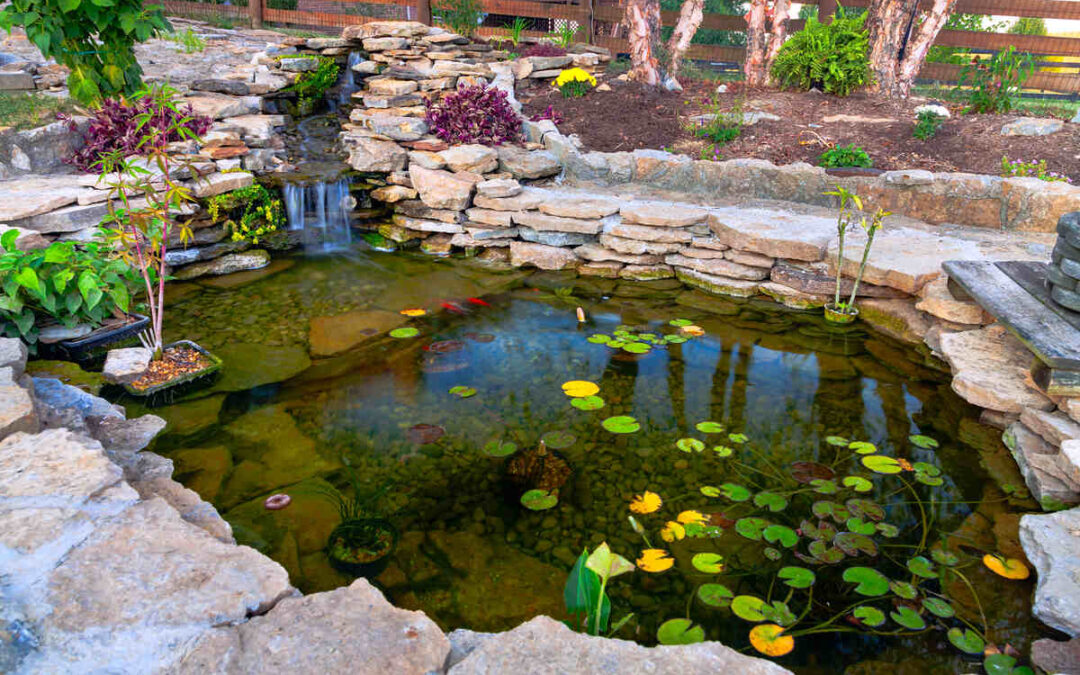
Proper koi pond maintenance is essential for keeping your fish healthy, water clear, and your pond ecosystem balanced. Regular upkeep prevents common problems such as algae overgrowth, poor water quality, and stressed koi. By following a consistent maintenance routine, pond owners can enjoy vibrant, thriving koi and a beautiful aquatic environment all year round.
Koi Pond Maintenance: Daily and Weekly Tasks
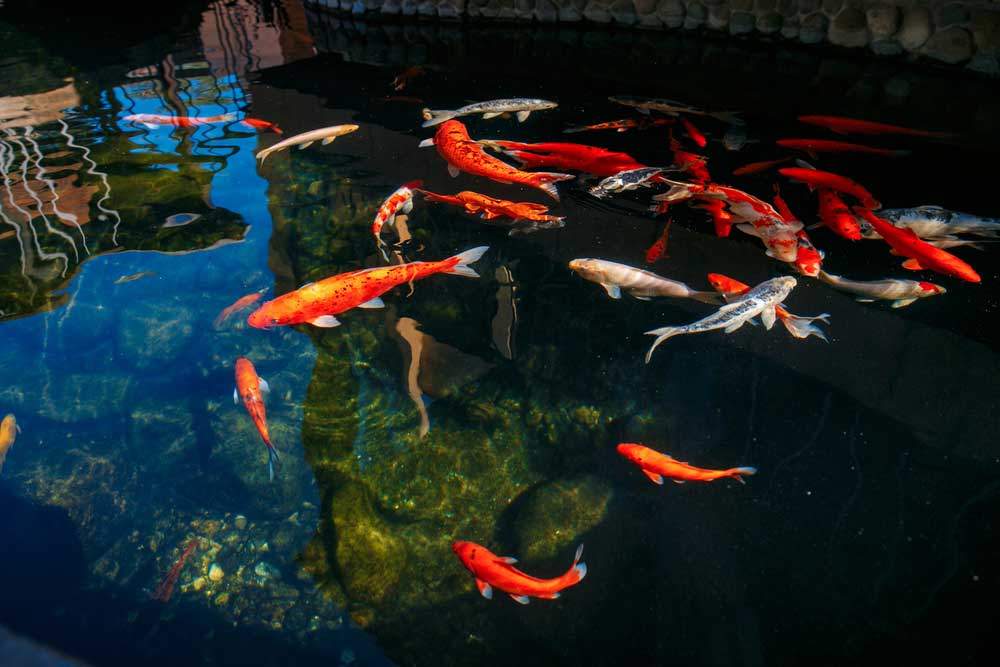
Effective pond maintenance begins with daily and weekly checks. Observe your koi for signs of stress or illness, including unusual swimming patterns, faded colors, or clamped fins. Remove any visible debris, such as leaves or uneaten food, to prevent water contamination. Feeding koi only what they can consume in a few minutes reduces organic waste buildup and maintains water quality.
Check water temperature, pH, ammonia, nitrite, and nitrate levels at least weekly. These parameters indicate pond health and highlight issues before they become serious. Regular inspection of pumps, filters, and aeration systems ensures they are functioning properly and delivering clean, oxygen-rich water to your fish.
Monthly and Seasonal Maintenance
 Monthly pond maintenance includes cleaning filters, removing sludge from the pond bottom, and trimming aquatic plants. Performing partial water changes helps maintain chemical balance and reduces excess nutrients that encourage algae growth. In colder months, prepare the pond for winter by reducing feeding, ensuring fish have sufficient depth to survive temperature drops, and checking that heaters or de-icers are functional if needed.
During spring and summer, algae growth increases, making extra attention to cleaning and filtration crucial. Adding beneficial bacteria can boost water clarity and support a healthy ecosystem. Aeration and circulation improvements during warm months help prevent oxygen depletion.
Long-Term Pond Care
Long-term koi pond maintenance focuses on sustainable practices. Avoid overcrowding, maintain proper filtration, and feed high-quality koi food. Quarantining new fish and monitoring overall pond health reduce the risk of disease. Consistent observation, cleaning, and water management ensure your koi thrive for years, producing strong, colorful fish in a stable environment.
By implementing these koi pond maintenance practices, pond owners protect their investment, maintain water clarity, and support the long-term health and vitality of their koi.
is essential for keeping your fish healthy, water clear, and your pond ecosystem balanced. Regular upkeep prevents common problems such as algae overgrowth, poor water quality, and stressed koi. By following a consistent maintenance routine, pond owners can enjoy vibrant, thriving koi and a beautiful aquatic environment all year round.
Koi Pond Maintenance: Daily and Weekly Tasks
Effective koi pond maintenance begins with daily and weekly checks. Observe your koi for signs of stress or illness, including unusual swimming patterns, faded colors, or clamped fins. Remove any visible debris, such as leaves or uneaten food, to prevent water contamination. Feeding koi only what they can consume in a few minutes reduces organic waste buildup and maintains water quality.
Check water temperature, pH, ammonia, nitrite, and nitrate levels at least weekly. These parameters indicate pond health and highlight issues before they become serious. Regular inspection of pumps, filters, and aeration systems ensures they are functioning properly and delivering clean, oxygen-rich water to your fish.
Monthly and Seasonal Maintenance
Monthly koi pond maintenance includes cleaning filters, removing sludge from the pond bottom, and trimming aquatic plants. Performing partial water changes helps maintain chemical balance and reduces excess nutrients that encourage algae growth. In colder months, prepare the pond for winter by reducing feeding, ensuring fish have sufficient depth to survive temperature drops, and checking that heaters or deicers are functional if needed.
During spring and summer, algae growth increases, making extra attention to cleaning and filtration crucial. Adding beneficial bacteria can boost water clarity and support a healthy ecosystem. Aeration and circulation improvements during warm months help prevent oxygen depletion.
Long-Term Pond Care
Long-term pond maintenance focuses on sustainable practices. Avoid overcrowding, maintain proper filtration, and feed high-quality koi food. Quarantining new fish and monitoring overall pond health reduce the risk of disease. Consistent observation, cleaning, and water management ensure your koi thrive for years, producing strong, colorful fish in a stable environment.
By implementing these koi pond maintenance practices, pond owners protect their investment, maintain water clarity, and support the long-term health and vitality of their koi.