
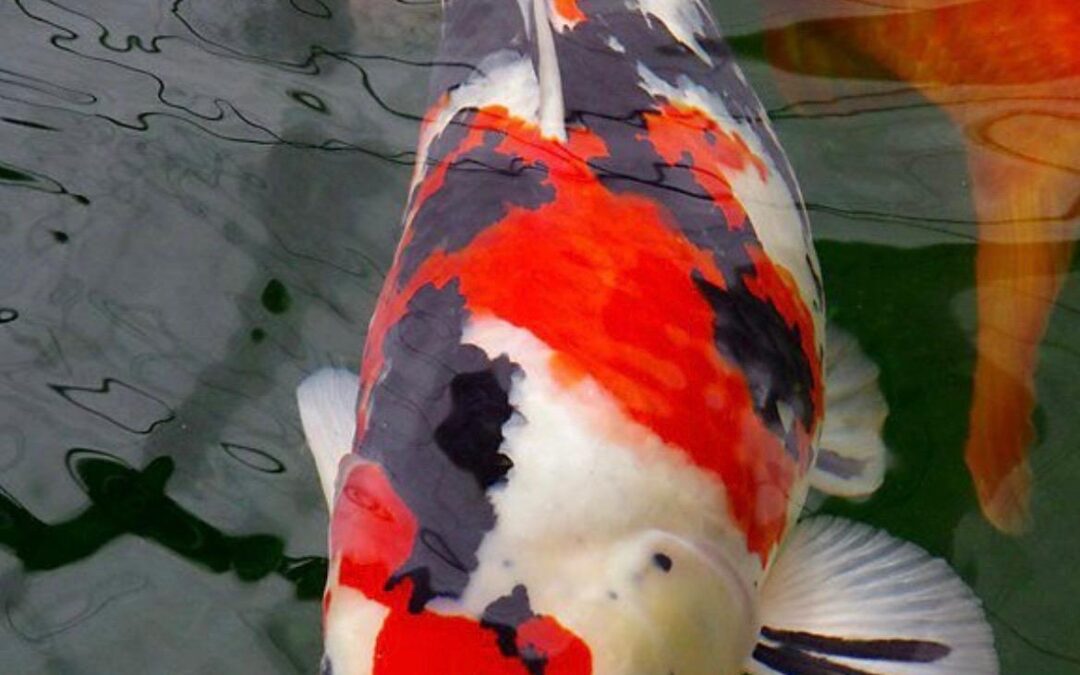
Healthy Koi: How to Recognize Strong, Vibrant Fish in Your Pond
Knowing how to identify healthy koi fish is essential for any pond owner who wants long-term success. Healthy koi display clear physical signs, active behavior, and strong feeding responses. By understanding what healthy koi look like and how they behave, you can quickly detect problems and maintain a thriving pond environment. Proper water quality, nutrition, and observation all play a key role in keeping koi in peak condition.
Healthy Koi Fish: What They Look Like
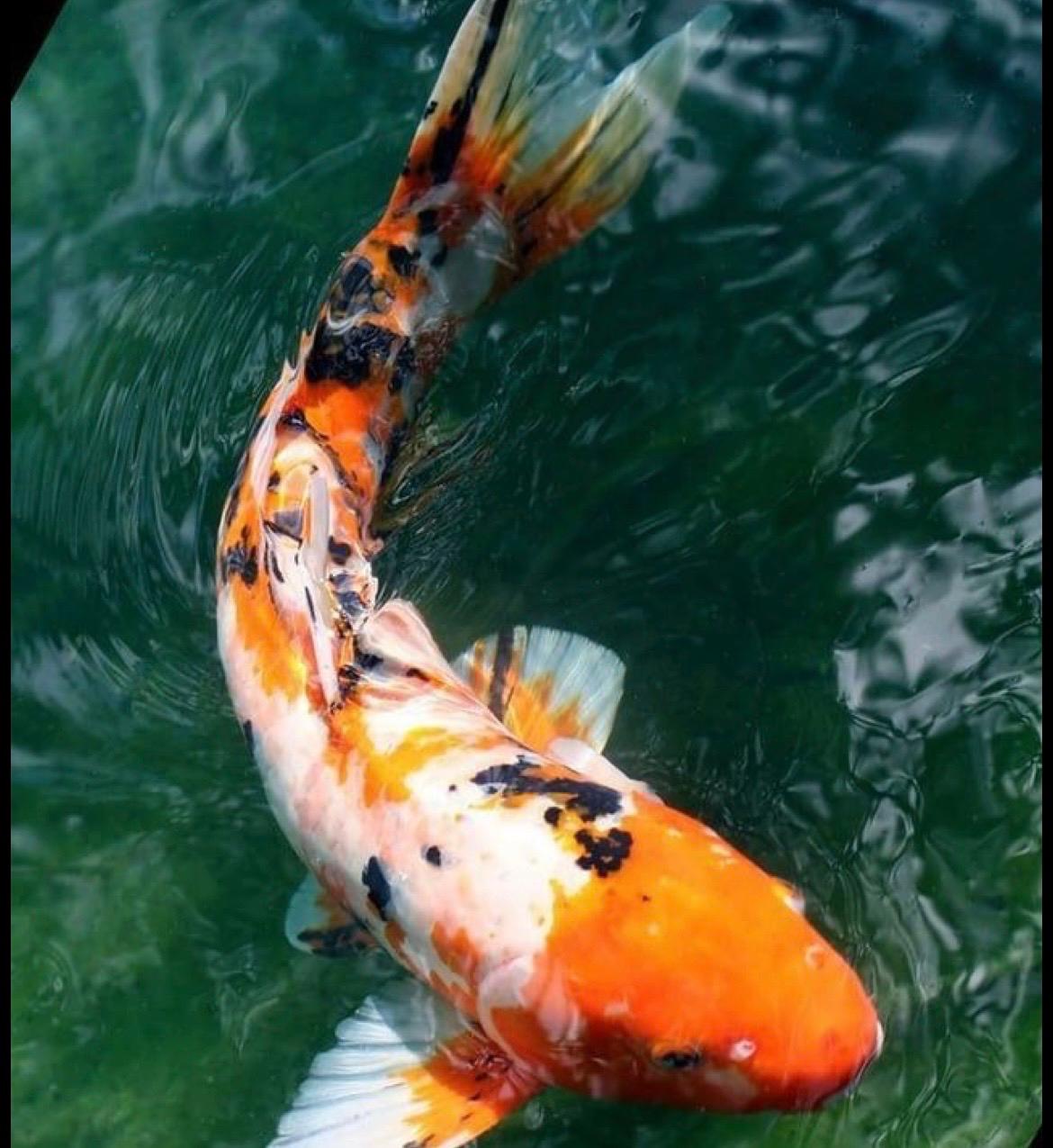 Visually, healthy koi fish appear bright, clean, and well-proportioned. Their colors look vibrant and clearly defined, whether they are red, white, black, or metallic varieties. The skin should appear smooth and glossy, not dull or cloudy. Healthy koi hold their fins open and upright, without fraying or discoloration.
The eyes of a healthy koi remain clear and alert, never sunken, cloudy, or swollen. The body should look balanced and strong, with no signs of bloating, sores, ulcers, or raised scales. Gills should move evenly and appear clean and red, not pale or inflamed. Any visible wounds, white spots, fuzzy patches, or redness can indicate stress or disease.
How Healthy Koi Behave
Behavior provides some of the clearest clues to koi health. Healthy koi swim smoothly and confidently throughout the pond. They actively explore their environment and interact with other fish without showing signs of distress. When feeding time arrives, healthy koi respond quickly and eat eagerly.
If koi isolate themselves, gasp at the surface, scrape against pond walls, or lie motionless at the bottom, these behaviors often signal poor health or water quality issues. Consistent, calm movement and steady breathing usually indicate that koi feel comfortable and well cared for.
Maintaining Healthy Koi Long Term
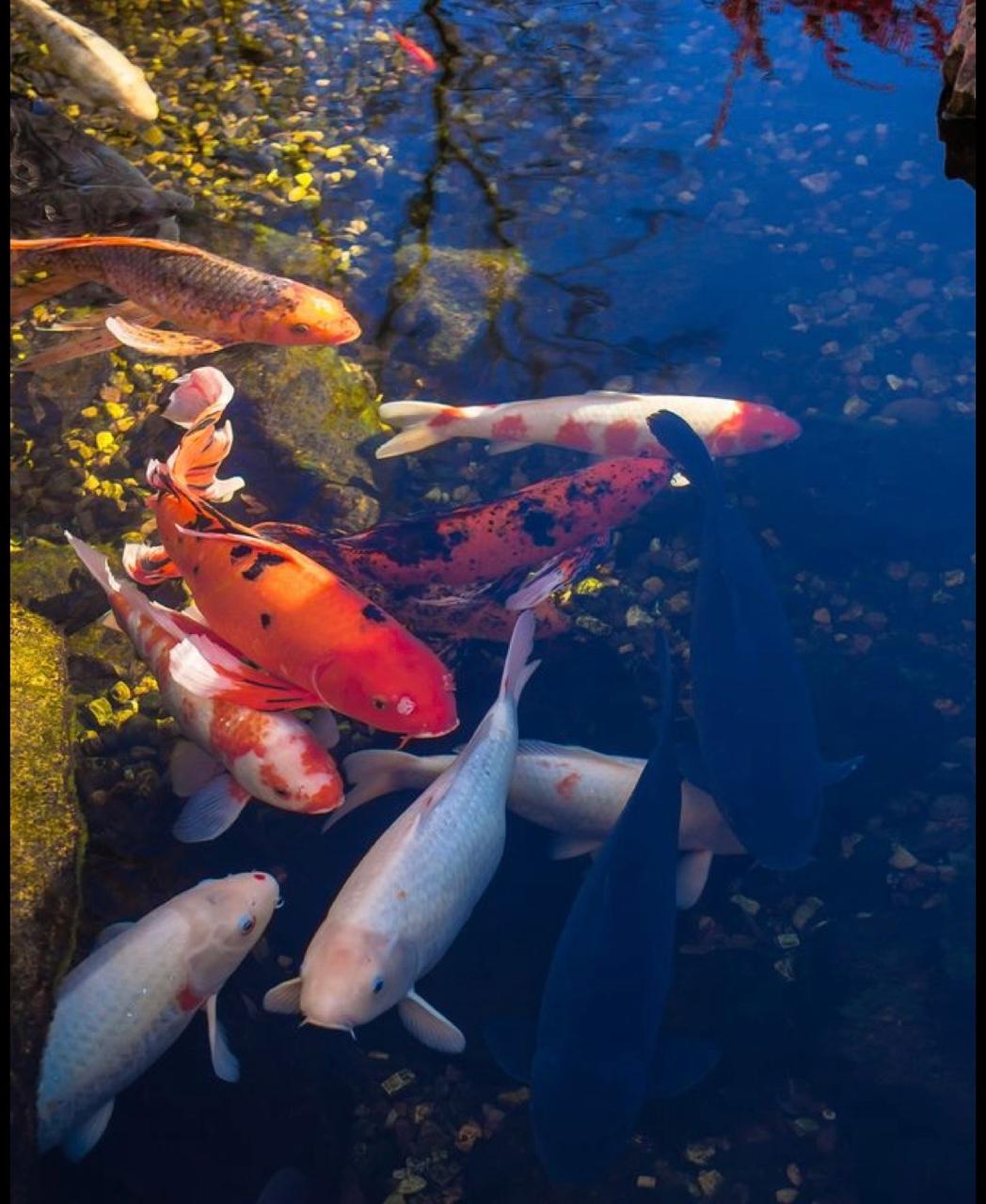
Maintaining healthy koi fish requires ongoing pond management. Clean, well-filtered water supports immune strength and reduces stress. Regular testing of ammonia, nitrite, nitrate, and pH levels helps prevent sudden changes that can weaken fish. Feeding high-quality koi food in appropriate amounts supports growth, color, and overall vitality.
Routine observation allows you to catch early warning signs before problems worsen. Quarantining new fish, cleaning filters, and performing partial water changes all contribute to long-term koi health.
When koi look vibrant, swim actively, and feed confidently, you can feel confident that your pond environment supports strong, healthy fish. Consistent care and attention will reward you with koi that thrive for many years.